Kick — what is this platform and why is everyone suddenly talking about it?
Kick is a relatively new streaming platform, which many are already calling an alternative to Twitch for streamers and affiliate marketing. Its main feature is more loyal rules for content, more favorable conditions for streamers and openness to “gray” verticals, which have long been living under constant bans and restrictions on Twitch.
The platform is actively being pushed by the English-speaking market, so most of the large traffic now is from the USA, Canada, Britain, and Australia. But gradually a Ukrainian audience is also appearing on Kick: first gamers, then conversational streams, and then the classic “dvizh” with collaborations and offers.
In fact, Kick is now at the same stage that Twitch once was: the platform is still growing, the rules are not so suffocating, and organic reach for new streamers is much easier to get.
What verticals are actually coming to Kick?
If on Twitch most arbitrageurs are constantly walking on thin ice, then the Kick streaming platform has positioned itself from the very beginning as a more loyal platform. That is why “risky” verticals feel good here.
Gambling and betting.
Kick has become a new platform for slot streamers who are tired of constant restrictions on Twitch. Casino streams here do not look exotic, and the audience is already used to this format. That is why the gambling vertical on Kick is one of the most promising in terms of conversions and engagement.
Adult direction.
Models and content creators use streams as a “warm-up” for the audience before redirecting to their paid services. The live communication format here works even better than classic social networks, because people stay on the air longer and are emotionally involved faster.
Crypto, trading, “investment” streams.
The educational-entertainment format is going very well. People are interested in watching someone “trade in real time”, even if most of these streams are more about show than real analytics. For affiliates, this is a steady stream of leads into financial offers.
How is Kick different from Twitch for affiliate marketing?
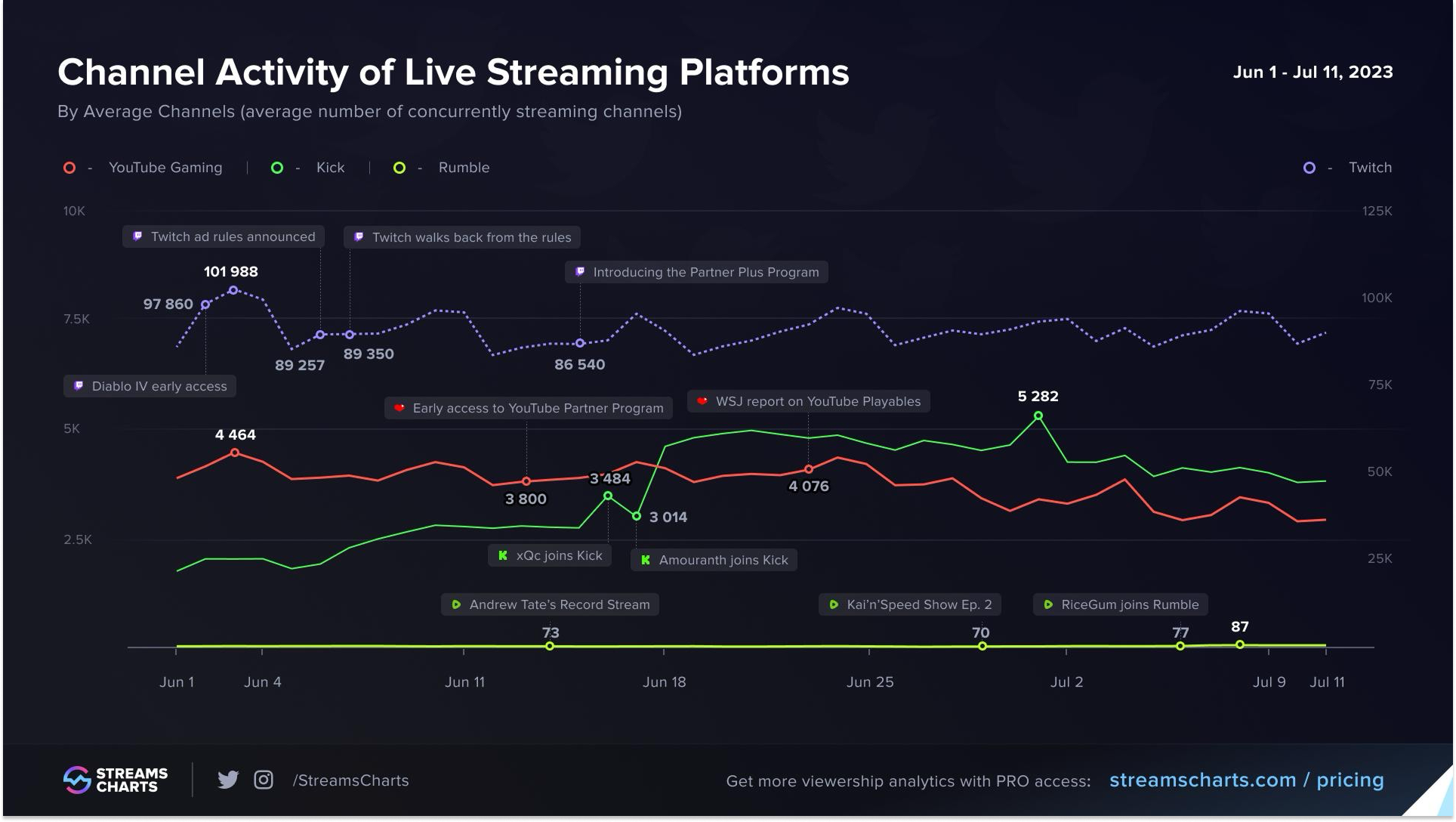
The main difference between Kick and Twitch for affiliate marketing is the degree of freedom.
Where Twitch introduces new rules, bans categories and tightens the screws, Kick tries to play the role of a “platform for more mature topics”.
For an arbitrator, this means:
• less risk of having an account banned at the start;
• easier to integrate offers directly into the stream or description;
• faster to test formats without fear of instant bans.
At the same time, it is important to understand that Kick is not “anarchy”. There are rules there, and they are gradually becoming stricter. But compared to Twitch, the window of opportunity here is still much wider.
How to find a streamer on Kick or go there yourself?
The same logic works here as with Twitch, but with a nuance: many streamers are just migrating to Kick. Often these are people who have an audience on Twitch or YouTube, but are looking for an alternative platform for monetization. For beginners, Kick looks like an easier entry into streaming compared to Twitch, especially if it's about starting without a large budget and team.
What you can do:
• monitor the top categories on Kick and subscribe to active streamers with a live audience;
• look for creators on Twitter / Reddit who openly write about switching to Kick;
• come in with a proposal for cooperation directly, while the price for integration is not yet “overheated”.
If you go there yourself — Kick is easier to start than Twitch. Organic reach on small channels is still alive here, and new streamers can really get viewers without months of farming.
What to consider when working with Kick
Even with more loyal rules, the platform remains a streaming platform — which means that the competition for attention is fierce. “Gray” creatives without emotion and charisma do not work here.
Important:
• make a normal channel design so as not to look like a “gray mass”;
• understand the GEO audience: Kick is still more about English-speaking traffic;
• do not burn your face if you work with risky verticals;
• do not focus only on Kick — streaming works better in conjunction with other platforms.
A small fact block about Kick
Kick was launched in 2022 as an alternative to Twitch against the backdrop of tightening rules and restrictions for streamers. The platform was supported by investors from the iGaming industry, in particular projects related to Stake, which immediately gave Kick a more loyal approach to content that is often banned on other platforms.
One of the main reasons why streamers began to look towards Kick is the financial model. The platform leaves creators up to 95% of the revenue from subscriptions, which looks much more attractive compared to classic Twitch conditions. This is why streamers with an already established audience quickly appeared on Kick, and with them - traffic that is interesting to the affiliate market.
Conclusion
Kick is not just “another Twitch clone”. It is a platform that is currently in a growth phase and opens up opportunities for those who know how to enter new traffic channels before the mass market.
For affiliates, Kick is interesting because it allows you to test verticals that have long been under constant pressure from moderation on other platforms. So, in 2025–2026 there will still be a window of opportunity here for those who are not afraid to experiment.